the 2026 census
you count.
make sure the census counts you.
For the first time, the Census asks people aged 16 and over about their gender. Trans, gender diverse and non-binary Australians can finally be seen in the national count.
why it matters
when we're not counted, we're not planned for.
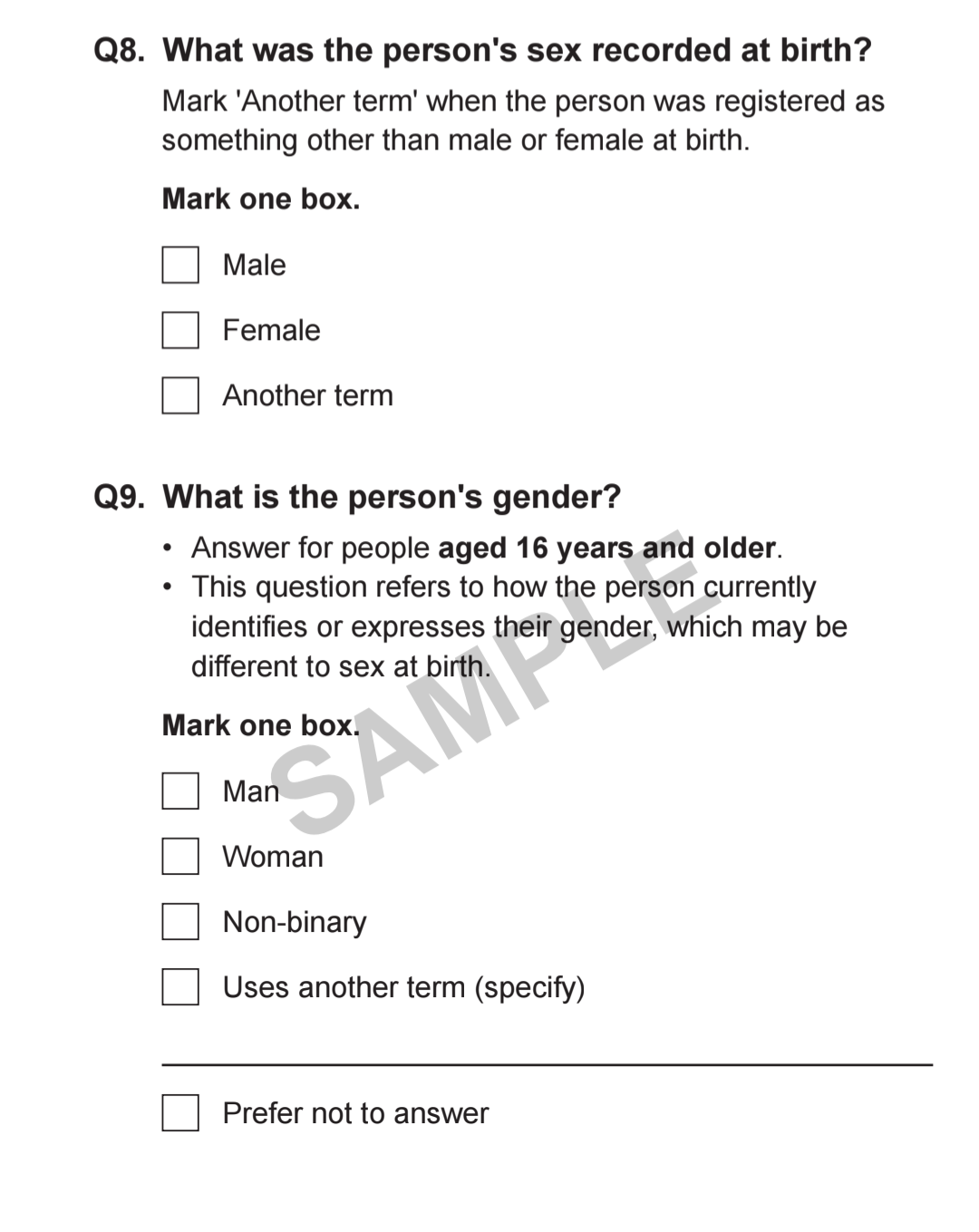
After years of advocacy from Transgender Victoria and partner organisations, the Australian Bureau of Statistics will ask everyone aged 16 and over about their gender, alongside a separate question on sex recorded at birth.

Census data is how Australia plans and funds the essentials - health care, transport, schools and community services - across federal, state and local government. Accurate numbers help direct gender-affirming healthcare, mental health support and education funding to where it's genuinely needed.
50k
counted in 2021
vs
200k+
TGD people in Australia
a community voice
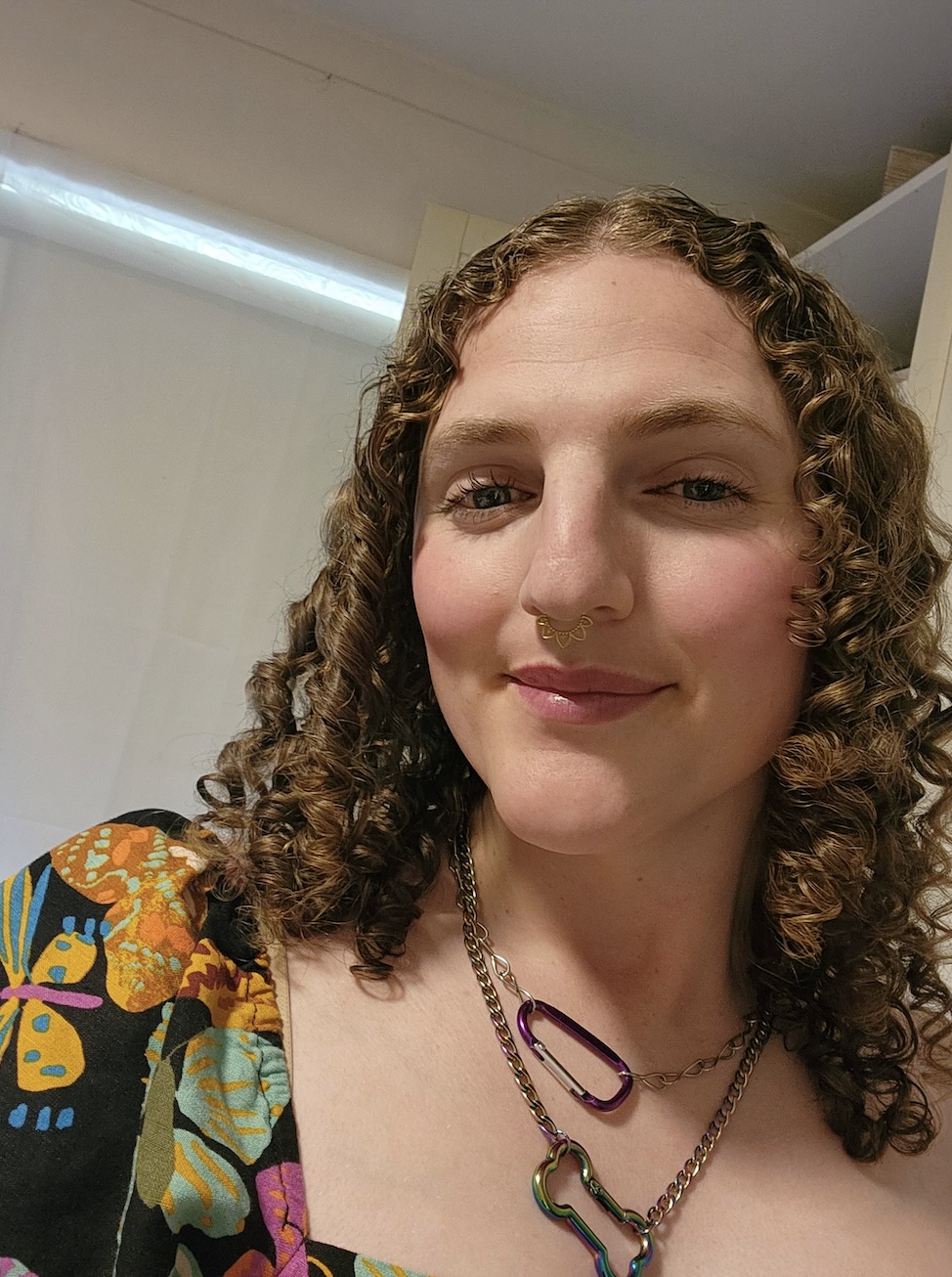
“To make things better for trans people in this country, we need to be counted.
I've been lucky to have GPs and psychologists who provide gender-affirming care. But for people living in regional Victoria it can be really hard to find healthcare professionals who understand what a trans person is going through.
The more accurately we're represented, the better the support can be.“
Audrey, she/her— Independent Queer Disability Support
how to answer
two ways to be counted
Either option records you as a transgender, gender diverse or non-binary person. Choose whichever feels right for you.
1
two different answers
Answer sex recorded at birth (Q8) as one option and what is your gender (Q9) as another. A difference between the two records you as trans or gender diverse.
2
write it in
Answer Q9 as "non-binary" or "another term" and write in a descriptor that fits you.
Note: the ABS codes the first response to the gender question, so write in the descriptor that matters most to you first. It's against the law not to complete the census accurately but you are unlikely to be fined for not using your legal name.
your privacy
100 years. zero breaches.
Completing the Census is compulsory, but your answers are confidential by law. The ABS keeps your identifying details separate from your responses and has protected Census data for over a century without a single breach. Answering the gender question is your choice, and you can do it with confidence.
not out at home? you can still be counted.
You don't have to choose between your safety and being counted. If you live with people who don't know you're trans, gender diverse or non-binary, you can request your own private form.
call the abs
1800 181 227
…or complete a personal form via myGov.
reality check
it's not perfect
The 2026 Census isn't a perfect survey. For many transgender, gender diverse and non-binary people, disclosing our gender identity on a government form can feel uncomfortable. Especially when the wording of the questions don't fully affirm how we identify.

As per the ABS Census Privacy Statement, all responses to Q8 and Q9 are stored separately from your name and address.

TGV also acknowledges the significant gap in not including a question specifically addressing people with innate variations of sex characteristics.
quick answers
frequently asked
when is the census?
Census night is Tuesday 11 August 2026. You can complete it online in the days around census night, or on a paper form.
do i have to answer the gender question?
The Census is compulsory, but answering the gender and sexual orientation questions is your choice. We encourage answering accurately so TGD communities are counted.
why are there two questions instead of one?
Looking at the difference between sex recorded at birth and gender is the method that most accurately counts trans and gender diverse people in a survey this large. The ABS developed it in consultation with the community, including Transgender Victoria, and has used it for five years.
why does the census ask about sex recorded at birth?
This helps plan healthcare some TGD people need, like access to hormones or cancer screening, and it lets data such as the gender pay gap be described by both sex recorded at birth and current gender. Sex has been a census question since 1905, and the separate gender question is what is new in 2026.
why does it say “sex recorded at birth” and not “assigned at birth”?
Some trans and gender diverse people prefer “assigned at birth.” The ABS chose “recorded at birth” because it tested as clearer and less likely to be misread across a survey of the whole country. It is a wording choice about accuracy, and it does not change anything about your gender.
how do i keep my answers private from my household?
Request your own personal form by calling the ABS on 1800 181 227, or complete a personal form through myGov. No one else in your household needs to see your responses.
what if i use a name that isn't my legal name?
The Census asks for your legal name. It's very unlikely anyone would be fined for using a name they go by, but using your legal name keeps your form straightforward.
are people with variations of sex characteristics (intersex) counted?
Not in the 2026 Census. The ABS found its tested question wasn't understood accurately enough to include. TGV is disappointed by this gap and understands the ABS will keep working on the question.
where can i get official information?
The ABS has plain-English details on the official census site. info.census.abs.gov.au/about → There's also an ABS information page for LGBTIQ+ communities. info.census.abs.gov.au →
be counted
make it count. 11 august 2026.
Share this with anyone in your community who needs it - and help make 2026 the year TGD communities are counted.